
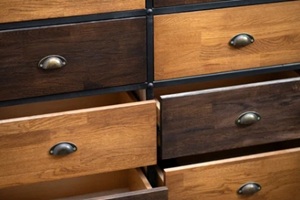
 In the past, builders, designers, and owners have viewed casework as a one-size-fits-all solution to storage issues, usually planned as an afterthought. However, in recent years, many designers have rediscovered the potential of casework to make their designs more functional, cohesive, and aesthetically pleasing when combined with the craftsmanship of well-planned custom millwork.
Exceptional spaces incorporate everything from cabinetry to built-in seating to create elevated, intentional, and above all, beautiful spaces. Applying the principles of custom millwork to normally overlooked casework pieces can help designers, architects, and owners bring their vision to life, even early in the construction process.
| In This Blog: Learn how casework and custom millwork can elevate spaces, including the configurations that bring designs to life and the trends that are cropping up in custom casework that make designs worth the price. We’ll also go over some of the steps that designers take during construction to make custom casework the best it can be. |
What Benefits Do Designers Get From Custom Casework?
Custom millwork, which includes doors, seating, trim, and other custom fixtures and finishes, requires time and effort to design. While casework is often generic, by planning it during the construction phase to complement planned millwork, many architects and designers now include it as part of the core design.
The core benefit of this planning is the ability to create spaces that are more adaptable to their specific use case. This is only possible when casework can be fully customized to the space’s needs, limitations, and intentions, ideally to match the millwork that artisans will eventually design for the space.
Here are some examples of how custom casework lends versatility to the construction process:
- Built-in cabinets, cupboards, and bookcases increase the usable floor plan of a living space without the need for additional furniture.
Example: A small kitchen may have limited counter space and no room for an island, so designers may build vertical cabinetry that extends the functionality of the space without renovating the floor plan, applying the principles of custom millwork to casework during the construction process.
- Creative extensions of existing structures can add functionality. For example, workstations can be built into kitchen or living spaces to increase their versatility.
Example: Add a kitchen island, counter, or other built-in, and include workstation features such as a pull-out table, drawers, or built-in lighting to make the space more multifunctional, especially for those who work from home.
- Casework designed to match the architecture can add unity to the design even before the owner decorates it.
Example: Designers can add Craftsman, Bungalow, and other design flourishes to seating designs to tie the space together and guide the decor. Residential and commercial spaces can leverage this to create more inviting, seamless experiences for their visitors.
Design Takeaway: Custom casework does not have to be generic. It can be personalized to the designer’s vision and the structure’s layout using the principles of custom millwork. Homes and businesses alike can use this versatility to create more engaging experiences, starting as early as their building’s construction.
What are Some Popular Trends in Construction Casework?
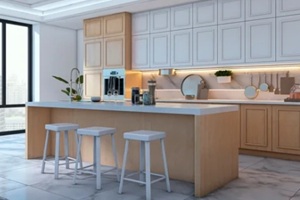 When constructing new homes and businesses, designers follow these trends by using custom casework to design more versatile and appealing spaces:
1. Sustainability Leads to Customer Engagement
Study results reported by Forbes show that 82% of customers want to support brands that share their values, while 75% are willing to stop supporting them over values. Sustainability is a key trend in construction casework that bridges the gap between a core modern value and what a space can convey through its design.
Design Examples: Casework can be made from reclaimed or salvaged wood to communicate sustainability values to visitors, especially in commercial cabinetry, where value alignment can directly impact conversions. Even the appearance of sustainability, by focusing on natural wood and stone materials, can be enough to convey this important theme to visitors and earn their trust. These themes should be pulled into custom millwork finishes throughout the rest of the design process.
2. Minimalism Matches the Modern Push for Simplicity
While in the past, casework often leaned into decorative forms, many designers today use casework in construction to create more minimalist approaches to match modern expectations. Spaces that are clean and seamless can more easily convey luxury, adapt to various design visions, and align with the architecture.
Design Examples: Frameless construction in cabinetry lends a European vibe, a look modern designers often use to convey luxury. Flat-panel doors and handleless cabinets also deliver a more streamlined appeal. With well-planned casework as a foundation, custom millwork can have a clearer stylistic vision to follow later in the design process.
3. Designs That Hide Hardware Create More Seamless Spaces
One of the goals of casework in both homes and businesses is to hide hardware, creating a less cluttered, more effective space. Modern amenities often rely on cords, supplies, and other clutter to deliver services to guests and amenities to residents. While many owners struggle to keep their spaces clean and appealing, casework can be incorporated during construction to address these modern needs.
Design Examples: Corporate reception desks can be built into the space and designed to hide POS systems and clutter, while built-in shelves and drawers in homes can hide charging and workstations. Even wires can be hidden with planned designs that house amenities and eliminate clutter, beginning with a foundation of custom casework during construction and leading to millwork flourishes that bring out the business’s brand identity.
4. Mixed Materials Invite More Interesting Experiences
Mixing materials and layering the finishes during construction can create a more exclusive experience for guests and residents. Combining wood, metal, and stone can create a memorable look that encourages customer loyalty and guest enjoyment.
Design Examples: Textured, reeded, and grooved casework can be combined for more visual interest. Two-tone cabinets, stained banquette seating, matte and gloss finishes, and other design features can enhance the architecture’s appeal and add visual interest to keep visitors engaged.
Experienced Custom Millwork Designers Can Bring Your Vision to Life
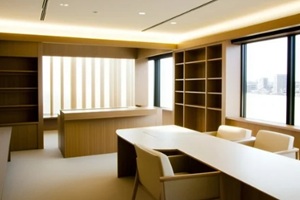 At Sixth Avenue Custom, our goal is to stay ahead of trends in residential and commercial design to help designers and owners perfectly match the desired feel and goals for their space in every detail. Our custom millwork designs, from commercial casework to residential furniture, maintain our artisans’ touch throughout. Our goal is to provide your construction project with a white-glove design service from concept to completion.
Contact our team of artisans today to learn more about custom millwork and casework design trends that can elevate your construction process and turn your vision for your home or business into a reality.
Start Your Custom Journey
Ready to transform your home or business with custom furniture? Contact us now, and let’s bring your vision to life.
Your email address will not be published. Required fields are marked *